


OCCUPATION AND HEALTH ›› 2026, Vol. 42 ›› Issue (14): 1952-1958.
• Treatise—Epidemiology and Preventive Health Care • Previous Articles Next Articles
DING Ran1, LIU Xiaoyu1, LENG Minmin2, YANG Lijuan2, ZHANG Aihua1( )
)
Received:2025-04-07
Revised:2025-09-05
Online:2026-07-15
Published:2026-07-16
Contact:
ZHANG Aihua,E-mail:zhangah818@163.com
CLC Number:
DING Ran, LIU Xiaoyu, LENG Minmin, YANG Lijuan, ZHANG Aihua. Analysis of the influencing factors of depressive symptoms among rural elderly people in Shandong Province based on the random forest algorithm. [J]OCCUPATION AND HEALTH, 2026, 42(14): 1952-1958.
| 项目 | 调查人数[人(%)] | 抑郁症状人数 | 抑郁症状检出率(%) | χ2值 | P | 项目 | 调查人数[人(%)] | 抑郁症状人数 | 抑郁症状检出率(%) | χ2值 | P |
|---|---|---|---|---|---|---|---|---|---|---|---|
| 性别 | 59.751 | <0.01 | 吸烟情况 | 9.12 | <0.01 | ||||||
| 女性 | 3 269(63.6) | 742 | 22.7 | 是 | 678(13.2) | 103 | 15.2 | ||||
| 男性 | 1 867(36.4) | 258 | 13.8 | 否 | 4 458(86.8) | 897 | 20.1 | ||||
| 年龄(岁) | 45.368 | <0.01 | 饮酒情况 | 41.44 | <0.01 | ||||||
| 60~<70 | 2 339(45.5) | 361 | 15.4 | 是 | 1 198(23.3) | 156 | 13 | ||||
| 70~<80 | 2 229(43.4) | 502 | 22.5 | 否 | 3 938(76.7) | 844 | 21.4 | ||||
| ≥80 | 568(11.1) | 137 | 24.1 | 慢性病数量(种) | 202.181 | <0.01 | |||||
| 婚姻状况 | 65.62 | <0.01 | 0 | 492(9.6) | 44 | 8.9 | |||||
| 在婚 | 3 926(76.4) | 670 | 17.1 | 1~2 | 2 137(41.6) | 293 | 13.7 | ||||
| 离异 | 48(0.9) | 8 | 16.7 | 3~6 | 2 268(44.2) | 561 | 24.7 | ||||
| 丧偶 | 1 147(22.3) | 319 | 27.8 | ≥7 | 239(4.7) | 102 | 42.7 | ||||
| 未婚 | 15(0.3) | 3 | 20 | 听力下降 | 32.555 | <0.01 | |||||
| 居住情况 | 61.656 | <0.01 | 否 | 3 113(60.6) | 527 | 16.9 | |||||
| 单独居住 | 1 115(21.7) | 304 | 27.3 | 是 | 2 023(39.4) | 473 | 23.4 | ||||
| 与子女同住 | 217(4.2) | 52 | 24 | 视力下降 | 82.947 | <0.01 | |||||
| 与配偶同住 | 3 804(74.1) | 644 | 16.9 | 否 | 2 497(48.6) | 357 | 14.3 | ||||
| 文化程度 | 53.507 | <0.01 | 是 | 2 639(51.4) | 643 | 24.4 | |||||
| 小学及以下 | 4 008(78.0) | 864 | 21.6 | 自评健康状况 | 352.475 | <0.01 | |||||
| 初中 | 750(14.6) | 101 | 13.5 | 好 | 4 807(93.6) | 806 | 16.8 | ||||
| 高中及以上 | 378(7.4) | 35 | 9.3 | 一般 | 285(5.5) | 164 | 57.5 | ||||
| 月收入(元) | 60.512 | <0.01 | 差 | 44(0.9) | 30 | 68.2 | |||||
| 0~<1 000 | 3 909(76.1) | 855 | 21.9 | 睡眠质量 | 661.372 | <0.01 | |||||
| 1 000~<3 500 | 799(15.6) | 98 | 12.3 | 差 | 2 061(40.1) | 759 | 36.8 | ||||
| ≥3 500 | 428(8.3) | 47 | 11 | 好 | 3 075(59.9) | 241 | 7.8 | ||||
| 医疗付费方式 | 57.943 | <0.01 | 日常生活活动能力 | 119.239 | <0.01 | ||||||
| 自费 | 273(5.3) | 95 | 34.8 | 正常 | 4 884(95.1) | 884 | 18.1 | ||||
| 职工医保/商业保险/ | 724(14.1) | 97 | 13.4 | 下降 | 252(4.9) | 116 | 46 | ||||
| 公费医疗 | 社会支持水平 | 99.104 | <0.01 | ||||||||
| 居民医保 | 4 139(80.6) | 808 | 19.5 | 低 | 51(1.0) | 30 | 58.8 | ||||
| 服药种类(种) | 134.415 | <0.01 | 中等 | 2 877(56.0) | 646 | 22.5 | |||||
| 0 | 2 067(40.2) | 278 | 13.4 | 高 | 2 208(43.0) | 324 | 14.7 | ||||
| 1~3 | 2 595(50.5) | 552 | 21.3 | 认知功能 | 75.937 | <0.01 | |||||
| ≥4 | 474(9.2) | 170 | 35.9 | 下降 | 993(19.3) | 291 | 29.3 | ||||
| 正常 | 4 143(80.7) | 709 | 17.1 |
| 项目 | 调查人数[人(%)] | 抑郁症状人数 | 抑郁症状检出率(%) | χ2值 | P | 项目 | 调查人数[人(%)] | 抑郁症状人数 | 抑郁症状检出率(%) | χ2值 | P |
|---|---|---|---|---|---|---|---|---|---|---|---|
| 性别 | 59.751 | <0.01 | 吸烟情况 | 9.12 | <0.01 | ||||||
| 女性 | 3 269(63.6) | 742 | 22.7 | 是 | 678(13.2) | 103 | 15.2 | ||||
| 男性 | 1 867(36.4) | 258 | 13.8 | 否 | 4 458(86.8) | 897 | 20.1 | ||||
| 年龄(岁) | 45.368 | <0.01 | 饮酒情况 | 41.44 | <0.01 | ||||||
| 60~<70 | 2 339(45.5) | 361 | 15.4 | 是 | 1 198(23.3) | 156 | 13 | ||||
| 70~<80 | 2 229(43.4) | 502 | 22.5 | 否 | 3 938(76.7) | 844 | 21.4 | ||||
| ≥80 | 568(11.1) | 137 | 24.1 | 慢性病数量(种) | 202.181 | <0.01 | |||||
| 婚姻状况 | 65.62 | <0.01 | 0 | 492(9.6) | 44 | 8.9 | |||||
| 在婚 | 3 926(76.4) | 670 | 17.1 | 1~2 | 2 137(41.6) | 293 | 13.7 | ||||
| 离异 | 48(0.9) | 8 | 16.7 | 3~6 | 2 268(44.2) | 561 | 24.7 | ||||
| 丧偶 | 1 147(22.3) | 319 | 27.8 | ≥7 | 239(4.7) | 102 | 42.7 | ||||
| 未婚 | 15(0.3) | 3 | 20 | 听力下降 | 32.555 | <0.01 | |||||
| 居住情况 | 61.656 | <0.01 | 否 | 3 113(60.6) | 527 | 16.9 | |||||
| 单独居住 | 1 115(21.7) | 304 | 27.3 | 是 | 2 023(39.4) | 473 | 23.4 | ||||
| 与子女同住 | 217(4.2) | 52 | 24 | 视力下降 | 82.947 | <0.01 | |||||
| 与配偶同住 | 3 804(74.1) | 644 | 16.9 | 否 | 2 497(48.6) | 357 | 14.3 | ||||
| 文化程度 | 53.507 | <0.01 | 是 | 2 639(51.4) | 643 | 24.4 | |||||
| 小学及以下 | 4 008(78.0) | 864 | 21.6 | 自评健康状况 | 352.475 | <0.01 | |||||
| 初中 | 750(14.6) | 101 | 13.5 | 好 | 4 807(93.6) | 806 | 16.8 | ||||
| 高中及以上 | 378(7.4) | 35 | 9.3 | 一般 | 285(5.5) | 164 | 57.5 | ||||
| 月收入(元) | 60.512 | <0.01 | 差 | 44(0.9) | 30 | 68.2 | |||||
| 0~<1 000 | 3 909(76.1) | 855 | 21.9 | 睡眠质量 | 661.372 | <0.01 | |||||
| 1 000~<3 500 | 799(15.6) | 98 | 12.3 | 差 | 2 061(40.1) | 759 | 36.8 | ||||
| ≥3 500 | 428(8.3) | 47 | 11 | 好 | 3 075(59.9) | 241 | 7.8 | ||||
| 医疗付费方式 | 57.943 | <0.01 | 日常生活活动能力 | 119.239 | <0.01 | ||||||
| 自费 | 273(5.3) | 95 | 34.8 | 正常 | 4 884(95.1) | 884 | 18.1 | ||||
| 职工医保/商业保险/ | 724(14.1) | 97 | 13.4 | 下降 | 252(4.9) | 116 | 46 | ||||
| 公费医疗 | 社会支持水平 | 99.104 | <0.01 | ||||||||
| 居民医保 | 4 139(80.6) | 808 | 19.5 | 低 | 51(1.0) | 30 | 58.8 | ||||
| 服药种类(种) | 134.415 | <0.01 | 中等 | 2 877(56.0) | 646 | 22.5 | |||||
| 0 | 2 067(40.2) | 278 | 13.4 | 高 | 2 208(43.0) | 324 | 14.7 | ||||
| 1~3 | 2 595(50.5) | 552 | 21.3 | 认知功能 | 75.937 | <0.01 | |||||
| ≥4 | 474(9.2) | 170 | 35.9 | 下降 | 993(19.3) | 291 | 29.3 | ||||
| 正常 | 4 143(80.7) | 709 | 17.1 |
| 变量 | 赋值 |
|---|---|
| 性别 | 0=女性;1=男性 |
| 年龄(岁) | 1=60~<70;2=70~<80;3=≥80 |
| 婚姻状况 | 1=已婚;2=离异;3=丧偶;4=未婚 |
| 居住情况 | 1=单独居住;2=与子女住一起;3=与配偶住一起 |
| 文化程度 | 1=小学及以下;2=初中/中专;3=高中及以上 |
| 月收入(元) | 1=0~<1 000;2=1 000~<3 500;3=≥3 500 |
| 医疗付费方式 | 1=自费;2=公费医疗/职工医保/商业保险;3=居民医保 |
| 服药种类(种) | 1=0;2=1~3;3=≥4 |
| 吸烟情况 | 0=否;1=是 |
| 饮酒情况 | 0=否;1=是 |
| 慢性病数量(个) | 1=0;2=1~2;3=3~6;4=≥7 |
| 听力下降 | 0=无;1=有 |
| 视力下降 | 0=无;1=有 |
| 自评健康状况 | 1=非常好/=很好/好;2=一般;3=差 |
| 睡眠质量 | 0=差;1=好 |
| 认知功能 | 0=下降;1=正常 |
| 日常生活活动能力 | 0=下降;1=正常 |
| 社会支持 | 1=低;2=中等;3=高 |
| 变量 | 赋值 |
|---|---|
| 性别 | 0=女性;1=男性 |
| 年龄(岁) | 1=60~<70;2=70~<80;3=≥80 |
| 婚姻状况 | 1=已婚;2=离异;3=丧偶;4=未婚 |
| 居住情况 | 1=单独居住;2=与子女住一起;3=与配偶住一起 |
| 文化程度 | 1=小学及以下;2=初中/中专;3=高中及以上 |
| 月收入(元) | 1=0~<1 000;2=1 000~<3 500;3=≥3 500 |
| 医疗付费方式 | 1=自费;2=公费医疗/职工医保/商业保险;3=居民医保 |
| 服药种类(种) | 1=0;2=1~3;3=≥4 |
| 吸烟情况 | 0=否;1=是 |
| 饮酒情况 | 0=否;1=是 |
| 慢性病数量(个) | 1=0;2=1~2;3=3~6;4=≥7 |
| 听力下降 | 0=无;1=有 |
| 视力下降 | 0=无;1=有 |
| 自评健康状况 | 1=非常好/=很好/好;2=一般;3=差 |
| 睡眠质量 | 0=差;1=好 |
| 认知功能 | 0=下降;1=正常 |
| 日常生活活动能力 | 0=下降;1=正常 |
| 社会支持 | 1=低;2=中等;3=高 |
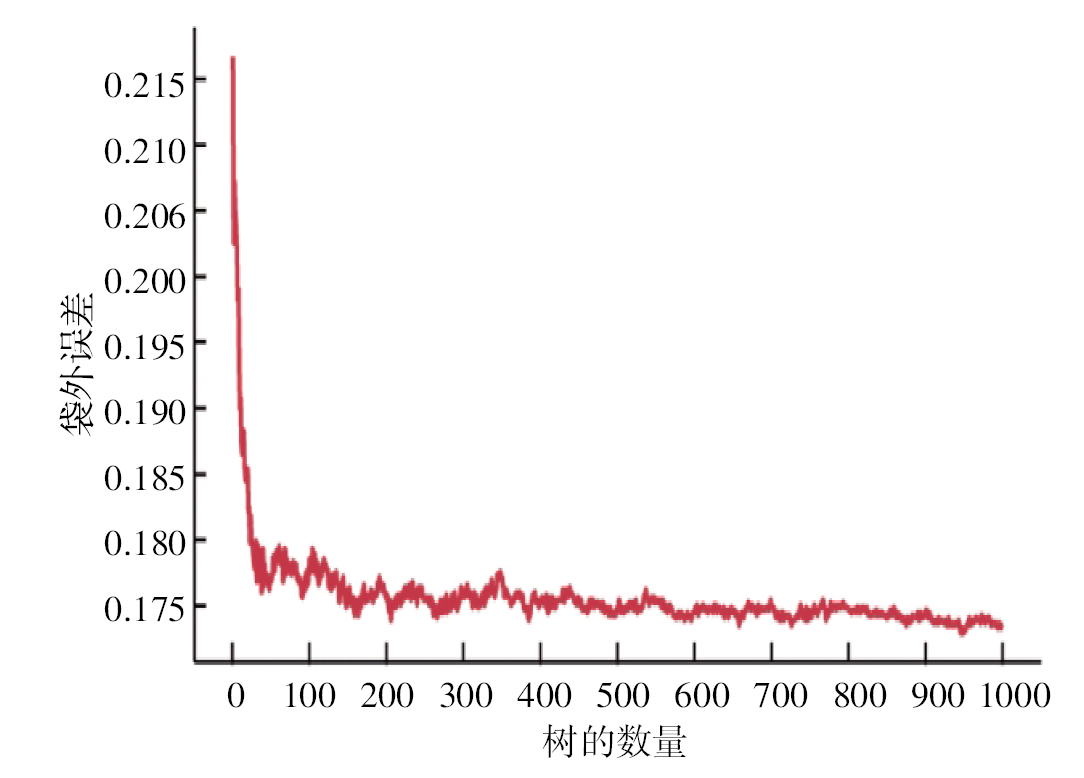
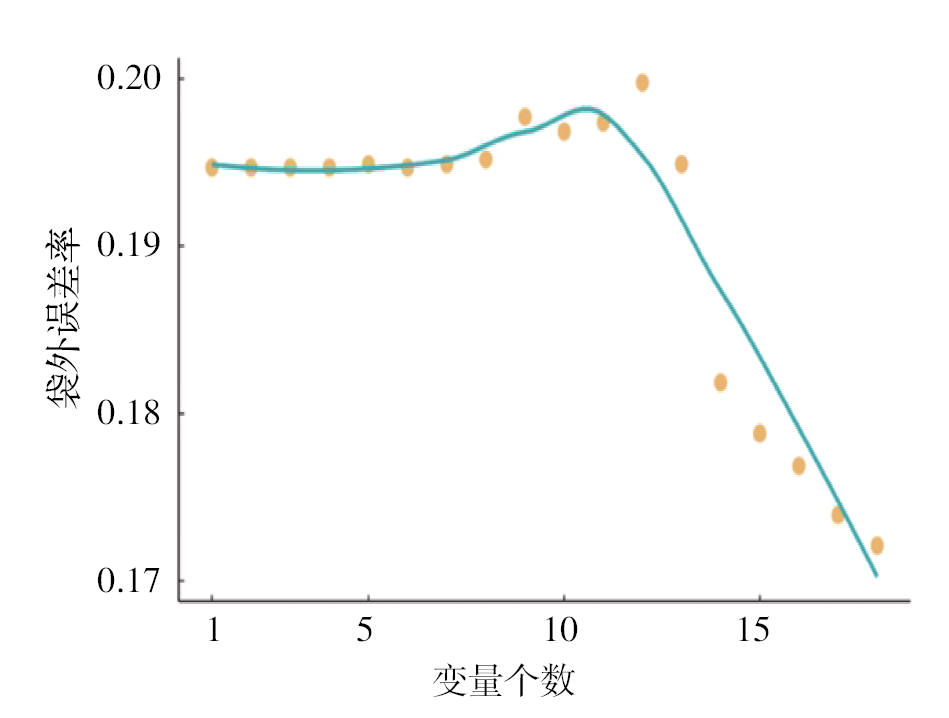
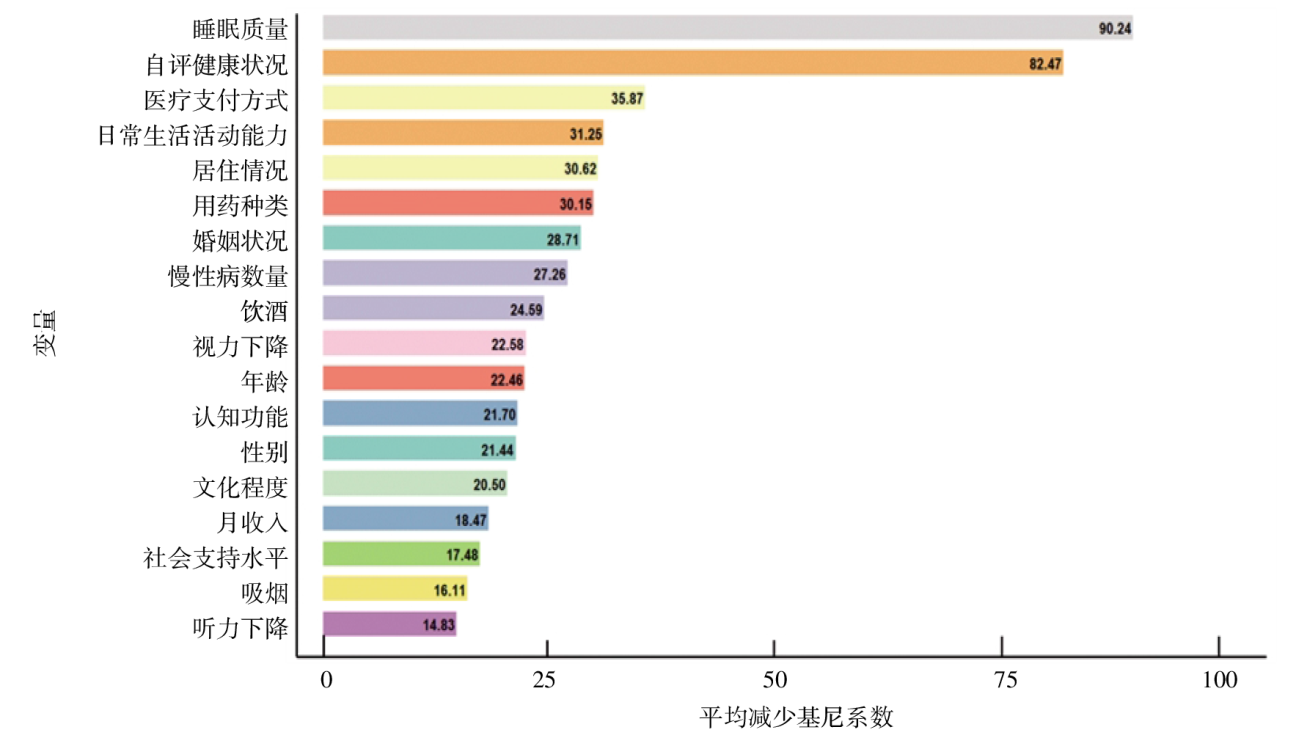
| 项目 | β值 | $s_{\bar{x}}$ | Wald χ2值 | P | OR(95%CI) |
|---|---|---|---|---|---|
| 年龄(岁,以60~<70为参照) | |||||
| ≥80 | -0.301 | 0.146 | 4.251 | <0.05 | 0.740(0.556~0.985) |
| 月收入(元,以0~<1 000为参照) | |||||
| 1 000~<3 500 | -0.350 | 0.150 | 5.445 | <0.05 | 0.704(0.525~0.945) |
| ≥3 500 | -0.589 | 0.248 | 5.625 | <0.05 | 0.555(0.341~0.903) |
| 医疗支付方式(参照为自费) | |||||
| 居民医保 | -0.740 | 0.157 | 22.168 | <0.01 | 0.477(0.351~0.649) |
| 服药种类(种,以0为参照) | |||||
| ≥4 | 0.423 | 0.146 | 8.408 | <0.01 | 1.527(1.147~2.033) |
| 饮酒(以否为参考) | |||||
| 是 | -0.279 | 0.118 | 5.581 | <0.05 | 0.757(0.600~0.954) |
| 慢性病数量(种,以无为参照) | |||||
| 3~6 | 0.536 | 0.191 | 7.899 | <0.01 | 1.709(1.176~2.483) |
| ≥7 | 0.704 | 0.247 | 8.098 | <0.01 | 2.022(1.245~3.283) |
| 视力下降(以否为参考) | |||||
| 是 | 0.400 | 0.086 | 21.742 | <0.01 | 1.492(1.261~1.765) |
| 自评健康状况(以好为参照) | |||||
| 一般 | 1.355 | 0.145 | 87.102 | <0.01 | 3.875(2.916~5.151) |
| 差 | 1.667 | 0.372 | 20.038 | <0.01 | 5.295(2.55~10.985) |
| 睡眠质量(以差为参照) | |||||
| 好 | -1.663 | 0.087 | 363.860 | <0.01 | 0.190(0.160~0.225) |
| 日常生活活动能力(以正常为参考) | |||||
| 下降 | 0.639 | 0.161 | 15.656 | <0.01 | 1.894(1.380~2.599) |
| 社会支持水平(以低水平社会支持为参照) | |||||
| 中等 | -1.142 | 0.323 | 12.526 | <0.01 | 0.319(0.170~0.601) |
| 高 | -1.287 | 0.331 | 15.090 | <0.01 | 0.276(0.144~0.529) |
| 认知功能(以正常为参考) | |||||
| 下降 | 0.316 | 0.103 | 9.409 | <0.01 | 1.371(1.121~1.678) |
| 项目 | β值 | $s_{\bar{x}}$ | Wald χ2值 | P | OR(95%CI) |
|---|---|---|---|---|---|
| 年龄(岁,以60~<70为参照) | |||||
| ≥80 | -0.301 | 0.146 | 4.251 | <0.05 | 0.740(0.556~0.985) |
| 月收入(元,以0~<1 000为参照) | |||||
| 1 000~<3 500 | -0.350 | 0.150 | 5.445 | <0.05 | 0.704(0.525~0.945) |
| ≥3 500 | -0.589 | 0.248 | 5.625 | <0.05 | 0.555(0.341~0.903) |
| 医疗支付方式(参照为自费) | |||||
| 居民医保 | -0.740 | 0.157 | 22.168 | <0.01 | 0.477(0.351~0.649) |
| 服药种类(种,以0为参照) | |||||
| ≥4 | 0.423 | 0.146 | 8.408 | <0.01 | 1.527(1.147~2.033) |
| 饮酒(以否为参考) | |||||
| 是 | -0.279 | 0.118 | 5.581 | <0.05 | 0.757(0.600~0.954) |
| 慢性病数量(种,以无为参照) | |||||
| 3~6 | 0.536 | 0.191 | 7.899 | <0.01 | 1.709(1.176~2.483) |
| ≥7 | 0.704 | 0.247 | 8.098 | <0.01 | 2.022(1.245~3.283) |
| 视力下降(以否为参考) | |||||
| 是 | 0.400 | 0.086 | 21.742 | <0.01 | 1.492(1.261~1.765) |
| 自评健康状况(以好为参照) | |||||
| 一般 | 1.355 | 0.145 | 87.102 | <0.01 | 3.875(2.916~5.151) |
| 差 | 1.667 | 0.372 | 20.038 | <0.01 | 5.295(2.55~10.985) |
| 睡眠质量(以差为参照) | |||||
| 好 | -1.663 | 0.087 | 363.860 | <0.01 | 0.190(0.160~0.225) |
| 日常生活活动能力(以正常为参考) | |||||
| 下降 | 0.639 | 0.161 | 15.656 | <0.01 | 1.894(1.380~2.599) |
| 社会支持水平(以低水平社会支持为参照) | |||||
| 中等 | -1.142 | 0.323 | 12.526 | <0.01 | 0.319(0.170~0.601) |
| 高 | -1.287 | 0.331 | 15.090 | <0.01 | 0.276(0.144~0.529) |
| 认知功能(以正常为参考) | |||||
| 下降 | 0.316 | 0.103 | 9.409 | <0.01 | 1.371(1.121~1.678) |
| [1] | 张紫薇, 花语蒙, 陈阳阳, 等. 中国老年人抑郁症状的地区分布及与心脑血管疾病的关系[J]. 中华疾病控制杂志, 2023, 27(2):195-200. |
| [2] |
CUIJPERS P, QUERO S, DOWRICK C, et al. Psychological treatment of depression in primary care:Recent developments[J]. Curr Psychiatry Rep, 2019, 21(12):129.
DOI |
| [3] | 黄爱文, 雒敏. 健康生态学模型视域下慢性病共病对中老年人抑郁症状的影响[J]. 中华疾病控制杂志, 2025, 29(2):145-151. |
| [4] | 张语训, 张诗敏, 姜淑琴, 等. 山东省农村老年人儿童期不良经历与抑郁症状的关系[J]. 医学与社会, 2025, 38(3):130-136. |
| [5] | 中共中央国务院. 健康中国2030规划纲要[EB/OL].(2016-10-25)[2025-01-25]. http://www.gov.cn/zhengce/2016-10/25/content_5124174.htm. |
| [6] |
袁佳琳, 杨玲玲, 刘晓慧, 等. 308名脑卒中患者主要照顾者抑郁现状及影响因素分析[J]. 护理学报, 2024, 31(2):27-31.
DOI |
| [7] | 董文烁, 王美娟, 李梦丽, 等. 农村老年人抑郁症状的潜在剖面及与认知功能的关系[J]. 护理学杂志, 2024, 39(1):98-102. |
| [8] |
KROENKE K, SPITZER R L, WILLIAMS J B. The PHQ-9:Validity of a brief depression severity measure[J]. J Gen Intern Med, 2001, 16(9):606-613.
DOI URL |
| [9] |
KATZ S, FORD A B, MOSKOWITZ R W, et al. Studies of illness in the aged.The index of ADL:A standardized measure of biological and psychosocial function[J]. JAMA, 1963, 185(1):914-919.
DOI URL |
| [10] | 肖水源. 《社会支持评定量表》的理论基础与研究应用[J]. 临床精神医学杂志, 1994, 1(2):98-100. |
| [11] |
LLAMAS-VELASCO S, LLORENTE-AYUSO L, CONTADOR I, et al. Spanish versions of the Minimental State Examination(MMSE).Questions for their use in clinical practice[J]. Rev Neurol, 2015, 61(8):363-371.
DOI URL |
| [12] | 刘贤臣, 唐茂芹, 胡蕾, 等. 匹兹堡睡眠质量指数的信度和效度研究[J]. 中华精神科杂志, 1996, 1(2):103-107. |
| [13] | 刘敏, 王新媛, 段云, 等. 四川省农村地区老年人抑郁现况及其影响因素研究[J]. 现代预防医学, 2024, 51(16):2892-2897,2910. |
| [14] | 曾黎, 唐吉, 唐小艳, 等. 老年人抑郁症状和焦虑症状共存与轻度认知功能障碍的关联性研究[J]. 现代预防医学, 2023, 50(5):908-913. |
| [15] |
PAPPAS J A, MINER B. Sleep deficiency in the elderly[J]. Sleep Med Clin, 2024, 19(4):593-606.
DOI PMID |
| [16] | 蒲玉翠, 梁聪, 董乐, 等. 社区老年人抑郁症状影响因素及拐点年龄分析[J]. 护理研究, 2023, 37(10):1719-1723. |
| [17] | 黎晓艳, 邹继华, 胡其英, 等. 农村老年慢性病患者健康贫困脆弱风险指标体系构建[J]. 护理学杂志, 2024, 39(7):99-103. |
| [18] |
谢雪梅, 高静, 柏丁兮, 等. 老年人多重用药依从性现状及影响因素的Meta分析[J]. 中国全科医学, 2023, 26(35):4394-4403.
DOI |
| [19] | 吕正, 孟倩丽. 视力损伤及抑郁症交互作用与全因死亡风险的相关性[J]. 医学研究杂志, 2024, 53(3):62-66. |
| [20] |
YAN Y, DU Y, LI X, et al. Physical function, ADL,and depressive symptoms in Chinese elderly:Evidence from the CHARLS[J]. Front Public Health, 2023, 11:1017689.
DOI URL |
| [21] |
ZHANG Y L, WU B J, CHEN P, et al. The self-rated health status and key influencing factors in middle-aged and elderly:Evidence from the CHARLS[J]. Medicine, 2021, 100(46):e27772.
DOI URL |
| [22] | 骆燕, 董敏, 莫蓓蓉. 社区老年人认知功能、抑郁症状与家庭功能相关性的研究进展[J]. 职业与健康, 2024, 40(14):2002-2006. |
| [23] | 李从容, 韩青, 许彤. 参加新农合对农村老年人抑郁状况的影响:身体健康变化的中介效应[J]. 中国健康心理学杂志, 2022, 30(11):1601-1606. |
| [24] | 殷蕾, 魏洪娟, 马秀梅, 等. 社区环境支持对中老年人抑郁状况影响的队列研究[J]. 中国预防医学杂志, 2024, 25(7):905-911. |
| [25] | 孙立明, 刘海涛, 罗富兵, 等. 家庭关怀及社会支持对社区老年人积极老龄化的影响[J]. 中国卫生事业管理, 2024, 41(5):565-569. |
| Viewed | ||||||
|
Full text |
|
|||||
|
Abstract |
|
|||||
 津公网安备12010202000831号 津ICP备11005889号-6
