职业与健康 ›› 2026, Vol. 42 ›› Issue (14): 1878-1883.

• 论著—职业卫生与职业相关疾病 • 上一篇    下一篇

印刷业有机物职业接触危害风险分析

袁玲燕1, 杨元君2, 杨晓佳3, 王利1, 李丹1, 周文洁4()   

  1. 1 重庆市南岸区疾病预防控制中心重庆 401336
    2 重庆医科大学重庆 401331
    3 重庆市疾病预防控制中心(重庆市预防医学科学院)重庆市疾病预防控制与公共卫生研究中心重庆 400707
    4 重庆市沙坪坝区疾病预防控制中心重庆 400038
  • 收稿日期:2025-05-20 修回日期:2025-08-07 出版日期:2026-07-15 发布日期:2026-07-16
  • 通信作者: 周文洁,E-mail:191365027@qq.com
  • 作者简介:袁玲燕,女,副主任医师,主要从事职业卫生工作。
  • 基金资助:
    重庆市南岸区2023年区级公共卫生重点学科(职业病)建设项目

Risk analysis of occupational exposure to organic compounds in printing industry

YUAN Lingyan1, YANG Yuanjun2, YANG Xiaojia3, WANG Li1, LI Dan1, ZHOU Wenjie4()   

  1. 1 Nan'an District Center for Disease Control and PreventionChongqing 401336, China
    2 School of Public HealthChongqing Medical UniversityChongqing 401331, China
    3 Chongqing Center for Disease Control and Prevention(Chongqing Academy of Preventive Medicine)Chongqing Disease Prevention and Public Health Research CenterChongqing 400707, China
    4 Shapingba District Center for Disease Control and PreventionChongqing 400038, China
  • Received:2025-05-20 Revised:2025-08-07 Online:2026-07-15 Published:2026-07-16
  • Contact: ZHOU Wenjie,E-mail:191365027@qq.com

摘要:

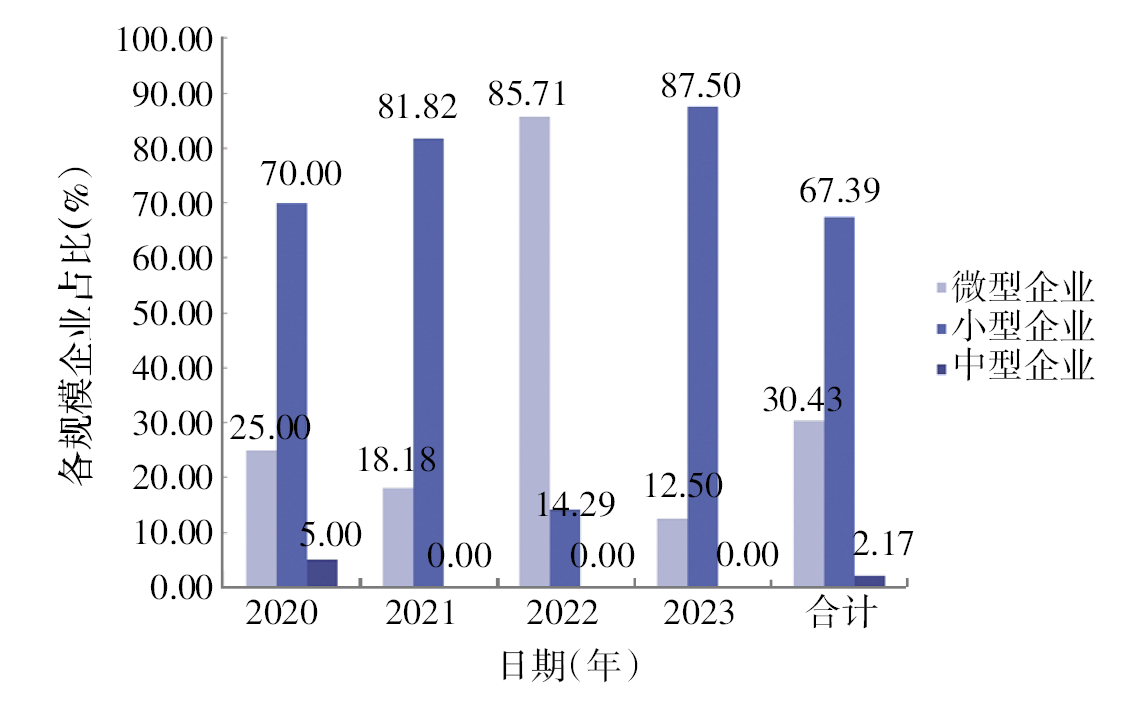
目的 了解印刷企业有机物现状,为监管执法、研究制修订职业病防治法规、标准和政策措施提供参考依据。方法 采用判断抽样方法,2020—2023年选择重庆市南岸区46家印刷企业开展职业卫生现状调查及危害因素监测,对数据进行整理分析,利用工作场所化学有害因素职业健康风险评估的定性和半定量风险评估模型进行风险评估,并对其评估结果进行比较。结果 2020—2023年共监测14家微型企业、31家小型企业和1家中型企业,共有1 403人接触职业危害因素,615人接触化学毒物,其中有机物占比较高,分别为苯28.46%,甲苯60.81%,二甲苯58.54%,乙苯51.54%,1,2-二氯乙烷26.50%,正己烷40.81%,甲醛7.97%,三氯乙烯0.33%。对所接触样本进行定性分析发现,2022—2023年合计检出率由高到低分别为二甲苯(73.26%)、甲苯(58.14%)、乙苯(52.33%)、正己烷(36.05%)、1,2-二氯乙烷(22.09%)、苯(11.63%),且不同年份间检出率比较差异均有统计学意义(均P<0.05)。对不同岗位而言,印刷岗位甲苯(74.07%)检出率最高,调油岗位均检出了乙苯和二甲苯,而覆膜岗位均有甲苯、二甲苯的检出。对于粘合岗位而言,检出率最高的有机物是二甲苯(61.54%),在其他岗位中甲苯和二甲苯检出率最高,为90.00%。定性风险评估结果显示,接触苯、甲苯、正己烷、1,2-二氯乙烷多数岗位的风险等级均为4(高风险),接触其他有机物的风险等级为2~3(低风险和中风险)。半定量风险评估法的结果显示,接触比值法评估得出的风险水平,大多数有机毒物处于低风险和中等风险的范畴。综合指数法评估得出的风险水平,大多数有机毒物处于中等风险的范畴。结论 印刷企业存在有机毒物职业健康风险。有机物具有多样性,对于有机物的准确定性是职业卫生监督管理和职业病防治的基础,并且生产技术不断更新迭代,更应加强有机物的识别监测,定量与定性相结合检测,以保障劳动者健康。

关键词: 印刷企业, 有机物, 职业有害因素接触, 风险评估, 定性分析, 定量分析

Abstract:

Objective To understand the current situation of organics in printing enterprises,provide reference basis for supervision and enforcement,research and revision of occupational disease prevention and control regulations,standards and policy measures. Methods Using judgmental sampling method,46 printing enterprises in Nan'an District of Chongqing were selected to carry out occupational health status survey and hazardous factor monitoring from 2020 to 2023. The data were collated and analyzed. The risk assessment was carried out by using qualitative and semi-quantitative risk assessment models in the technical guidelines for occupational health risk assessment of chemical hazardous factors in workplaces,and the assessment results were compared. Results From 2020 to 2023,a total of 14 microenterprises,31 small enterprises and 1 medium-sized enterprise were monitored,with a total of 1 403 people exposed to occupational hazards and 615 people exposed to chemical toxins,of which the proportion of organics was relatively high,namely,benzene 28.46%,toluene 60.81%,xylene 58.54%,ethylbenzene 51.54%,1,2-dichloroethane 26.50%,n-hexane 40.81%,formaldehyde 7.97%,and trichloroethylene 0.33%. The qualitative analysis of the exposed samples revealed that the combined detection rates in 2022-2023 from high to low were xylene(73.26%),toluene(58.14%),ethylbenzene (52.33%),n-hexane(36.05%),1,2-dichloroethane(22.09%),and benzene(11.63%),and the difference in the detection rate among different years was statistically significant(P<0.05). For different positions,the highest detection rate of toluene(74.07%) was found in the printing position,ethylbenzene and xylene were detected in the oil blending position,while toluene and xylene were detected in the laminating position. For the gluing post,the organism with the highest detection rate was xylene(61.54%),and toluene and xylene were detected at the highest rate of 90.00% in the other posts. The results of the qualitative risk assessment showed that exposure to benzene,toluene,n-hexane,and 1,2-dichloroethane had a risk level of 4(high risk) for most of the positions,and most of the risk levels for exposure to other organics were in the range of 2 and 3(low and medium risk). The results of the semi-quantitative risk assessment method showed that most of the organotoxicants were in the low and medium risk categories for the risk levels assessed by the exposure ratio method. The composite index method assessed risk levels in which most organotoxins were in the medium risk category. Conclusions There is an occupational health risk of organic toxins in printing enterprises. The organic substances have diversity,the accurate characterization of organic substances is the basis of occupational health supervision and management and prevention of occupational diseases,and production technology is constantly updated and iterative,it is more important to strengthen the identification and monitoring of organic substances,and the combination of quantitative and qualitative detection,in order to protect the health of workers.

Key words: Printing enterprise, Organics, Exposure to occupational hazards, Risk assessment, Qualitative analysis, Quantitative analysis

中图分类号: