

职业与健康 ›› 2026, Vol. 42 ›› Issue (11): 1517-1523.
刘宝瑜1, 韦兴林2, 李晴晴1, 孙玉梅1, 豆欣蔓3, 庞晓丽1( )
)
收稿日期:2025-03-23
修回日期:2025-08-10
出版日期:2026-06-01
发布日期:2026-06-10
通信作者:
庞晓丽,E-mail:403033115@qq.com
作者简介:刘宝瑜,女,在读硕士研究生,研究方向为护理管理与护理教育等。
LIU Baoyu1, WEI Xinglin2, LI Qingqing1, SUN Yumei1, DOU Xinman3, PANG Xiaoli1()
Received:2025-03-23
Revised:2025-08-10
Online:2026-06-01
Published:2026-06-10
Contact:
PANG Xiaoli,E-mail:403033115@qq.com
摘要:
目的 了解新入职护士(新护士)心理社会安全氛围的潜在类别,并分析其与转型冲击的关系。方法 采用便利抽样法于2025年1—2月选取天津市、甘肃省等不同地区的404名新护士,使用一般资料调查表、心理社会安全氛围量表、新护士转型冲击量表对其进行问卷调查,并对数据进行分析。结果 404名新护士心理社会安全氛围可分为低心理安全组(18.1%)、中心理安全组(43.8%)、高心理安全组(38.1%)3个潜在类别。以“低心理安全组”为参照,对护理工作的态度为一般(OR=5.030,P<0.05)、参加过入职培训(OR=2.423,P<0.05)、收入满意度为比较满意(OR=3.835,P<0.05)或一般(OR=5.087,P<0.05)均是中心理安全组的预测因素;对护理工作的态度为非常喜欢(OR=47.819,P<0.01)或比较喜欢(OR=26.749,P<0.01)、参加过入职培训(OR=5.066,P<0.01)、月夜班数为0~<5个(OR=3.030,P<0.05)均是高心理安全组的预测因素。3组新护士转型冲击及各维度得分差异均有统计学意义(均P<0.05)。结论 404名新护士心理社会安全氛围存在潜在异质性,且影响转型冲击。建议依据影响因素对不同类别心理社会安全氛围的新护士实施干预,以降低其转型冲击。
中图分类号:
刘宝瑜, 韦兴林, 李晴晴, 孙玉梅, 豆欣蔓, 庞晓丽. 新护士心理社会安全氛围的潜在剖面分析及与转型冲击的关系. [J]职业与健康, 2026, 42(11): 1517-1523.
LIU Baoyu, WEI Xinglin, LI Qingqing, SUN Yumei, DOU Xinman, PANG Xiaoli. Potential profile analysis of psychosocial safety climate in new nurses and its relationship with transition shock. [J]OCCUPATION AND HEALTH, 2026, 42(11): 1517-1523.
| 模型 | AIC | BIC | aBIC | Entropy | LMR | BLRT | 类别概率 |
|---|---|---|---|---|---|---|---|
| 1 | 8 027.602 | 8 059.613 | 8 034.228 | 1.000 | |||
| 2 | 7 038.631 | 7 090.650 | 7 049.399 | 0.912 | 0.000 | 0.000 | 0.545/0.455 |
| 3 | 6 382.395 | 6 454.421 | 6 397.304 | 0.944 | 0.000 | 0.000 | 0.181/0.438/0.381 |
| 4 | 5 970.556 | 6 062.588 | 5 989.607 | 0.946 | 0.026 | 0.000 | 0.172/0.302/0.115/0.411 |
| 5 | 5 599.808 | 5 711.848 | 5 623.001 | 0.974 | 0.000 | 0.000 | 0.173/0.055/0.297/0.106/0.369 |
表1 天津市、甘肃省等地新护士PSC的潜在剖面模型拟合信息
| 模型 | AIC | BIC | aBIC | Entropy | LMR | BLRT | 类别概率 |
|---|---|---|---|---|---|---|---|
| 1 | 8 027.602 | 8 059.613 | 8 034.228 | 1.000 | |||
| 2 | 7 038.631 | 7 090.650 | 7 049.399 | 0.912 | 0.000 | 0.000 | 0.545/0.455 |
| 3 | 6 382.395 | 6 454.421 | 6 397.304 | 0.944 | 0.000 | 0.000 | 0.181/0.438/0.381 |
| 4 | 5 970.556 | 6 062.588 | 5 989.607 | 0.946 | 0.026 | 0.000 | 0.172/0.302/0.115/0.411 |
| 5 | 5 599.808 | 5 711.848 | 5 623.001 | 0.974 | 0.000 | 0.000 | 0.173/0.055/0.297/0.106/0.369 |
| 组别 | 低心理安全组 | 中心理安全组 | 高心理安全组 |
|---|---|---|---|
| 低心理安全组 | 96.4 | 3.6 | 0.0 |
| 中心理安全组 | 1.8 | 96.8 | 1.5 |
| 高心理安全组 | 0.0 | 1.2 | 98.8 |
表2 各潜在类别的归属概率(%)
| 组别 | 低心理安全组 | 中心理安全组 | 高心理安全组 |
|---|---|---|---|
| 低心理安全组 | 96.4 | 3.6 | 0.0 |
| 中心理安全组 | 1.8 | 96.8 | 1.5 |
| 高心理安全组 | 0.0 | 1.2 | 98.8 |
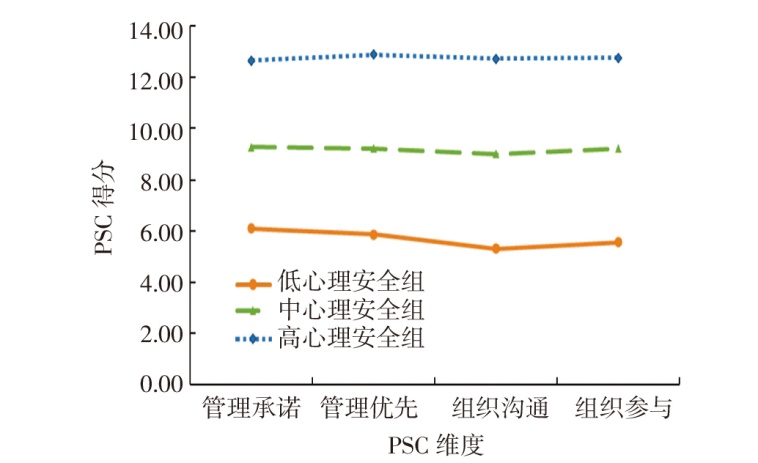
图1 天津市、甘肃省等地新护士PSC的潜在类别组分布 注:PSC—心理社会安全氛围。
| 项目 | 例数 | 高心理风险组(n=73) | 中心理风险组(n=177) | 低心理风险组(n=154) | χ2值 | P值 |
|---|---|---|---|---|---|---|
| 地区 | ||||||
| 东北华北 | 154 | 37(50.7) | 62(35.0) | 55(35.7) | 7.677 | 0.057 |
| 华中华南华东 | 32 | 4(5.5) | 18(10.2) | 10(6.5) | ||
| 西南 | 46 | 7(9.6) | 21(11.9) | 18(11.7) | ||
| 西北 | 172 | 25(34.2) | 76(42.9) | 71(46.1) | ||
| 性别 | ||||||
| 女 | 336 | 62(84.9) | 147(83.1) | 127(82.5) | 0.218 | 0.663 |
| 男 | 68 | 11(15.1) | 30(16.9) | 27(17.5) | ||
| 学历 | ||||||
| 大专 | 23 | 4(5.5) | 5(2.8) | 14(9.1) | 7.998 | 0.809 |
| 本科 | 357 | 66(90.4) | 163(92.1) | 128(83.1) | ||
| 硕士及以上 | 24 | 3(4.1) | 9(5.1) | 12(7.8) | ||
| 职称 | ||||||
| 护士 | 302 | 56(76.7) | 135(76.3) | 111(72.1) | 0.949 | 0.379 |
| 护师及以上 | 102 | 17(23.3) | 42(23.7) | 43(27.9) | ||
| 聘用方式 | ||||||
| 正式在编 | 59 | 12(16.4) | 26(14.7) | 21(13.6) | 1.322 | 0.721 |
| 人事代理 | 187 | 34(46.6) | 82(46.3) | 71(46.1) | ||
| 合同制度 | 142 | 23(31.5) | 62(35.0) | 57(37.0) | ||
| 派遣制度 | 16 | 4(5.5) | 7(4.0) | 5(3.3) | ||
| 医院性质 | ||||||
| 专科医院 | 93 | 11(15.1) | 37(20.9) | 45(29.2) | 6.393 | 0.012 |
| 综合医院 | 311 | 62(84.9) | 140(79.1) | 109(70.8) | ||
| 对护理工作的态度 | ||||||
| 非常喜欢 | 34 | 2(2.7) | 7(4.0) | 25(16.2) | 100.835 | <0.001 |
| 比较喜欢 | 118 | 11(15.1) | 32(18.1) | 75(48.7) | ||
| 一般 | 214 | 43(58.9) | 120(67.8) | 51(33.1) | ||
| 较不喜欢 | 26 | 9(12.3) | 15(8.5) | 2(1.3) | ||
| 非常不喜欢 | 12 | 8(11.0) | 3(1.6) | 1(0.7) | ||
| 月夜班数(个) | ||||||
| 0~<5 | 201 | 33(45.2) | 78(44.1) | 90(58.5) | 11.124 | 0.007 |
| 5~<10 | 163 | 28(38.4) | 82(46.3) | 53(34.4) | ||
| ≥10 | 40 | 12(16.4) | 17(9.6) | 11(7.1) | ||
| 项目 | 例数 | 高心理风险组(n=73) | 中心理风险组(n=177) | 低心理风险组(n=154) | χ2值 | P值 |
| 入职前是否参加培训 | ||||||
| 是 | 369 | 59(80.8) | 161(91.0) | 149(96.8) | 15.941 | <0.001 |
| 否 | 35 | 14(19.2) | 16(9.0) | 5(3.2) | ||
| 收入满意度 | ||||||
| 非常满意 | 28 | 2(2.7) | 5(2.8) | 21(13.6) | 57.934 | <0.001 |
| 比较满意 | 175 | 25(34.2) | 67(37.9) | 83(53.9) | ||
| 一般 | 149 | 26(35.6) | 81(45.8) | 42(27.3) | ||
| 较不满意 | 31 | 9(12.3) | 19(10.7) | 3(2.0) | ||
| 非常不满意 | 21 | 11(15.2) | 5(2.8) | 5(3.2) | ||
| 是否经历过重大工作挫折 | ||||||
| 否 | 370 | 62(84.9) | 161(91.0) | 147(95.5) | 7.274 | 0.007 |
| 是 | 34 | 11(15.1) | 16(9.0) | 7(4.5) | ||
| 是否有离职倾向 | ||||||
| 是 | 276 | 27(37.0) | 108(61.0) | 141(91.6) | 75.896 | <0.001 |
| 否 | 128 | 46(63.0) | 69(39.0) | 13(8.4) |
表3 天津市、甘肃省等地不同人口学特征的新护士PSC 3个潜在剖面的单因素分析[人(%)]
| 项目 | 例数 | 高心理风险组(n=73) | 中心理风险组(n=177) | 低心理风险组(n=154) | χ2值 | P值 |
|---|---|---|---|---|---|---|
| 地区 | ||||||
| 东北华北 | 154 | 37(50.7) | 62(35.0) | 55(35.7) | 7.677 | 0.057 |
| 华中华南华东 | 32 | 4(5.5) | 18(10.2) | 10(6.5) | ||
| 西南 | 46 | 7(9.6) | 21(11.9) | 18(11.7) | ||
| 西北 | 172 | 25(34.2) | 76(42.9) | 71(46.1) | ||
| 性别 | ||||||
| 女 | 336 | 62(84.9) | 147(83.1) | 127(82.5) | 0.218 | 0.663 |
| 男 | 68 | 11(15.1) | 30(16.9) | 27(17.5) | ||
| 学历 | ||||||
| 大专 | 23 | 4(5.5) | 5(2.8) | 14(9.1) | 7.998 | 0.809 |
| 本科 | 357 | 66(90.4) | 163(92.1) | 128(83.1) | ||
| 硕士及以上 | 24 | 3(4.1) | 9(5.1) | 12(7.8) | ||
| 职称 | ||||||
| 护士 | 302 | 56(76.7) | 135(76.3) | 111(72.1) | 0.949 | 0.379 |
| 护师及以上 | 102 | 17(23.3) | 42(23.7) | 43(27.9) | ||
| 聘用方式 | ||||||
| 正式在编 | 59 | 12(16.4) | 26(14.7) | 21(13.6) | 1.322 | 0.721 |
| 人事代理 | 187 | 34(46.6) | 82(46.3) | 71(46.1) | ||
| 合同制度 | 142 | 23(31.5) | 62(35.0) | 57(37.0) | ||
| 派遣制度 | 16 | 4(5.5) | 7(4.0) | 5(3.3) | ||
| 医院性质 | ||||||
| 专科医院 | 93 | 11(15.1) | 37(20.9) | 45(29.2) | 6.393 | 0.012 |
| 综合医院 | 311 | 62(84.9) | 140(79.1) | 109(70.8) | ||
| 对护理工作的态度 | ||||||
| 非常喜欢 | 34 | 2(2.7) | 7(4.0) | 25(16.2) | 100.835 | <0.001 |
| 比较喜欢 | 118 | 11(15.1) | 32(18.1) | 75(48.7) | ||
| 一般 | 214 | 43(58.9) | 120(67.8) | 51(33.1) | ||
| 较不喜欢 | 26 | 9(12.3) | 15(8.5) | 2(1.3) | ||
| 非常不喜欢 | 12 | 8(11.0) | 3(1.6) | 1(0.7) | ||
| 月夜班数(个) | ||||||
| 0~<5 | 201 | 33(45.2) | 78(44.1) | 90(58.5) | 11.124 | 0.007 |
| 5~<10 | 163 | 28(38.4) | 82(46.3) | 53(34.4) | ||
| ≥10 | 40 | 12(16.4) | 17(9.6) | 11(7.1) | ||
| 项目 | 例数 | 高心理风险组(n=73) | 中心理风险组(n=177) | 低心理风险组(n=154) | χ2值 | P值 |
| 入职前是否参加培训 | ||||||
| 是 | 369 | 59(80.8) | 161(91.0) | 149(96.8) | 15.941 | <0.001 |
| 否 | 35 | 14(19.2) | 16(9.0) | 5(3.2) | ||
| 收入满意度 | ||||||
| 非常满意 | 28 | 2(2.7) | 5(2.8) | 21(13.6) | 57.934 | <0.001 |
| 比较满意 | 175 | 25(34.2) | 67(37.9) | 83(53.9) | ||
| 一般 | 149 | 26(35.6) | 81(45.8) | 42(27.3) | ||
| 较不满意 | 31 | 9(12.3) | 19(10.7) | 3(2.0) | ||
| 非常不满意 | 21 | 11(15.2) | 5(2.8) | 5(3.2) | ||
| 是否经历过重大工作挫折 | ||||||
| 否 | 370 | 62(84.9) | 161(91.0) | 147(95.5) | 7.274 | 0.007 |
| 是 | 34 | 11(15.1) | 16(9.0) | 7(4.5) | ||
| 是否有离职倾向 | ||||||
| 是 | 276 | 27(37.0) | 108(61.0) | 141(91.6) | 75.896 | <0.001 |
| 否 | 128 | 46(63.0) | 69(39.0) | 13(8.4) |
| 自变量 | 赋值方式 |
|---|---|
| 医院性质 | 专科医院=1;综合医院=0 |
| 对护理工作的态度 | 非常喜欢=(1,0,0,0);比较喜欢=(0,1,0,0);一般=(0,0,1,0);较不喜欢=(0,0,0,1);非常不喜欢=(0,0,0,0) |
| 是否参加过入职培训 | 是=1;否=0 |
| 月夜班数(个) | 0~<5 =(1,0);5~<10 =(0,1);≥10=(0,0) |
| 收入满意度 | 非常满意=(1,0,0,0);比较满意=(0,1,0,0);一般=(0,0,1,0);较不满意=(0,0,0,1);非常不满意=(0,0,0,0) |
| 是否经历过重大工作挫折 | 是=1;否=0 |
表4 自变量赋值方式
| 自变量 | 赋值方式 |
|---|---|
| 医院性质 | 专科医院=1;综合医院=0 |
| 对护理工作的态度 | 非常喜欢=(1,0,0,0);比较喜欢=(0,1,0,0);一般=(0,0,1,0);较不喜欢=(0,0,0,1);非常不喜欢=(0,0,0,0) |
| 是否参加过入职培训 | 是=1;否=0 |
| 月夜班数(个) | 0~<5 =(1,0);5~<10 =(0,1);≥10=(0,0) |
| 收入满意度 | 非常满意=(1,0,0,0);比较满意=(0,1,0,0);一般=(0,0,1,0);较不满意=(0,0,0,1);非常不满意=(0,0,0,0) |
| 是否经历过重大工作挫折 | 是=1;否=0 |
| 项目 | 中心理安全组 | 高心理安全组 | ||||||||
|---|---|---|---|---|---|---|---|---|---|---|
| B值 | Wald χ2值 | P值 | OR值 | 95%CI | B值 | Wald χ2值 | P值 | OR值 | 95%CI | |
| 专科医院 | 0.284 | 0.506 | 0.477 | 1.328 | 0.608~2.904 | 0.441 | 1.086 | 0.297 | 1.554 | 0.678~3.559 |
| 对护理工作的态度 | ||||||||||
| 非常喜欢 | 1.897 | 2.868 | 0.090 | 6.667 | 0.742~59.906 | 3.867 | 8.017 | 0.005 | 47.819 | 3.288~695.383 |
| 比较喜欢 | 1.490 | 3.235 | 0.072 | 4.437 | 0.875~22.504 | 3.286 | 7.953 | 0.005 | 26.749 | 2.725~262.603 |
| 一般 | 1.615 | 4.551 | 0.033 | 5.030 | 1.140~22.186 | 1.967 | 3.052 | 0.081 | 7.152 | 0.787~65.011 |
| 较不喜欢 | 1.388 | 2.594 | 0.107 | 4.006 | 0.740~21.678 | 0.646 | 0.222 | 0.638 | 1.908 | 0.130~28.104 |
| 参加过入职培训 | 0.885 | 4.162 | 0.041 | 2.423 | 1.035~5.669 | 1.623 | 6.788 | 0.009 | 5.066 | 1.495~17.170 |
| 月夜班数(个) | ||||||||||
| 0~<5 | 0.367 | 0.599 | 0.439 | 1.444 | 0.570~3.656 | 1.108 | 3.914 | 0.048 | 3.030 | 1.010~9.084 |
| 5~<10 | 0.492 | 1.042 | 0.307 | 1.635 | 0.636~4.204 | 0.771 | 1.793 | 0.181 | 2.161 | 0.700~6.674 |
| 收入满意度 | ||||||||||
| 非常满意 | 1.252 | 1.407 | 0.236 | 3.496 | 0.442~27.653 | 1.725 | 2.759 | 0.097 | 5.610 | 0.733~42.926 |
| 比较满意 | 1.344 | 4.320 | 0.038 | 3.835 | 1.080~13.621 | 0.786 | 1.276 | 0.259 | 2.194 | 0.561~8.580 |
| 一般 | 1.627 | 6.640 | 0.010 | 5.087 | 1.476~17.530 | 0.581 | 0.706 | 0.401 | 1.788 | 0.461~6.934 |
| 较不满意 | 1.193 | 2.804 | 0.094 | 3.298 | 0.816~13.333 | -0.786 | 0.695 | 0.405 | 0.455 | 0.072~2.895 |
| 经历过重大工作挫折 | -0.622 | 1.912 | 0.167 | 0.537 | 0.222~1.296 | -1.092 | 3.553 | 0.059 | 0.335 | 0.108~1.044 |
表5 天津市、甘肃省等地新护士PSC的潜在类别的多元Logistic回归分析
| 项目 | 中心理安全组 | 高心理安全组 | ||||||||
|---|---|---|---|---|---|---|---|---|---|---|
| B值 | Wald χ2值 | P值 | OR值 | 95%CI | B值 | Wald χ2值 | P值 | OR值 | 95%CI | |
| 专科医院 | 0.284 | 0.506 | 0.477 | 1.328 | 0.608~2.904 | 0.441 | 1.086 | 0.297 | 1.554 | 0.678~3.559 |
| 对护理工作的态度 | ||||||||||
| 非常喜欢 | 1.897 | 2.868 | 0.090 | 6.667 | 0.742~59.906 | 3.867 | 8.017 | 0.005 | 47.819 | 3.288~695.383 |
| 比较喜欢 | 1.490 | 3.235 | 0.072 | 4.437 | 0.875~22.504 | 3.286 | 7.953 | 0.005 | 26.749 | 2.725~262.603 |
| 一般 | 1.615 | 4.551 | 0.033 | 5.030 | 1.140~22.186 | 1.967 | 3.052 | 0.081 | 7.152 | 0.787~65.011 |
| 较不喜欢 | 1.388 | 2.594 | 0.107 | 4.006 | 0.740~21.678 | 0.646 | 0.222 | 0.638 | 1.908 | 0.130~28.104 |
| 参加过入职培训 | 0.885 | 4.162 | 0.041 | 2.423 | 1.035~5.669 | 1.623 | 6.788 | 0.009 | 5.066 | 1.495~17.170 |
| 月夜班数(个) | ||||||||||
| 0~<5 | 0.367 | 0.599 | 0.439 | 1.444 | 0.570~3.656 | 1.108 | 3.914 | 0.048 | 3.030 | 1.010~9.084 |
| 5~<10 | 0.492 | 1.042 | 0.307 | 1.635 | 0.636~4.204 | 0.771 | 1.793 | 0.181 | 2.161 | 0.700~6.674 |
| 收入满意度 | ||||||||||
| 非常满意 | 1.252 | 1.407 | 0.236 | 3.496 | 0.442~27.653 | 1.725 | 2.759 | 0.097 | 5.610 | 0.733~42.926 |
| 比较满意 | 1.344 | 4.320 | 0.038 | 3.835 | 1.080~13.621 | 0.786 | 1.276 | 0.259 | 2.194 | 0.561~8.580 |
| 一般 | 1.627 | 6.640 | 0.010 | 5.087 | 1.476~17.530 | 0.581 | 0.706 | 0.401 | 1.788 | 0.461~6.934 |
| 较不满意 | 1.193 | 2.804 | 0.094 | 3.298 | 0.816~13.333 | -0.786 | 0.695 | 0.405 | 0.455 | 0.072~2.895 |
| 经历过重大工作挫折 | -0.622 | 1.912 | 0.167 | 0.537 | 0.222~1.296 | -1.092 | 3.553 | 0.059 | 0.335 | 0.108~1.044 |
| 组别 | 例数 | 总分 | 身体 | 心理 | 知识和技能 | 社会文化发展 |
|---|---|---|---|---|---|---|
| 低心理安全组 | 73 | 97.52±23.22 | 23.11±5.39 | 27.27±7.75 | 17.79±4.70 | 29.34±7.67 |
| 中心理安全组 | 177 | 90.61±17.87 | 21.59±4.74 | 25.54±6.31 | 17.00±3.79 | 26.47±5.82 |
| 高心理安全组 | 154 | 73.16±20.93 | 17.99±5.36 | 21.21±7.16 | 14.23±4.41 | 19.74±6.88 |
| F值 | 47.743 | 32.300 | 24.974 | 25.264 | 67.776 | |
| P值 | <0.001 | <0.001 | <0.001 | <0.001 | <0.001 |
表6 天津市、甘肃省等地不同PSC类别的新护士转型冲击评分($\bar{x}±s$)
| 组别 | 例数 | 总分 | 身体 | 心理 | 知识和技能 | 社会文化发展 |
|---|---|---|---|---|---|---|
| 低心理安全组 | 73 | 97.52±23.22 | 23.11±5.39 | 27.27±7.75 | 17.79±4.70 | 29.34±7.67 |
| 中心理安全组 | 177 | 90.61±17.87 | 21.59±4.74 | 25.54±6.31 | 17.00±3.79 | 26.47±5.82 |
| 高心理安全组 | 154 | 73.16±20.93 | 17.99±5.36 | 21.21±7.16 | 14.23±4.41 | 19.74±6.88 |
| F值 | 47.743 | 32.300 | 24.974 | 25.264 | 67.776 | |
| P值 | <0.001 | <0.001 | <0.001 | <0.001 | <0.001 |
| [1] | LI Z, CHUNHUI L. Causes and countermeasures of nurses dimission from 2016 to 2021 in a tertiary hospital in Beijing[J]. Chin J Mod Med, 2022, 24:83-86. |
| [2] | WEI Y L. Research progress on influencing factors of clinical nurse' turnover[J]. World Latest Med Inform Digest, 2022, 22(59):70-75. |
| [3] |
GRAILEY K E, MURRAY E, READER T, et al. The presence and potential impact of psychological safety in the healthcare setting:An evidence synthesis[J]. BMC Health Serv Res, 2021, 21(1):773.
DOI |
| [4] | 高潇, 李明, 王琨, 等. 护士心理社会安全氛围的研究进展[J]. 护士进修杂志, 2024, 39(20):2151-2155. |
| [5] |
KIM E Y, YEO J H. Transition shock and job satisfaction changes among newly graduated nurses in their first year of work:A prospective longitudinal study[J]. J Nurs Manag, 2021, 29(3):451-458.
DOI URL |
| [6] |
KIM S O, KIM J S. Association of work environment and resilience with transition shock in newly licensed nurses:A cross-sectional study[J]. J Clin Nurs, 2021, 30(7-8):1037-1045.
DOI URL |
| [7] | 李旭英, 李星凤, 汤新辉, 等. 《新入职护士规范化培训大纲》的践行与效果评价[J]. 护理学杂志, 2017, 32(6):61-63. |
| [8] |
HALL G, DOLLARD M, COWARD J. Psychosocial safety climate:Development of the PSC-12[J]. Int J Stress Manag, 2010, 17:353-383.
DOI URL |
| [9] |
YUAN T, REN H, YIN X, et al. How does psychosocial safety climate cross-level influence work engagement and job burnout:The roles of organization-based self-esteem and psychological detachment[J]. BMC Nurs, 2024, 23(1):389.
DOI |
| [10] | PIEN LC, CHENG Y W, CHENG W J. Psychosocial safety climate,workplace violence and self-rated health:a multi-level study among hospital nurses[J]. J Nurs Adm Manag, 2019, 3(27):584-591. |
| [11] | 薛友儒, 林平, 高学琴, 等. 新护士转型冲击评价量表的编制及信效度检验[J]. 中华护理杂志, 2015, 50(6):674-678. |
| [12] |
SICILIA A, ALCARAZ-IBÁ$\tilde{Z}$EZ M, CHIMINAZZO J G C. Latent profile analysis of exercise addiction symptoms in Brazilian adolescents:Association with health-related variables[J]. J Affect Disord, 2020, 273:223-230.
DOI URL |
| [13] | 钱怡男. 基于JD-R模型的基层医疗卫生机构医务人员职业倦怠现状及影响因素研究[D]. 南京: 南京医科大学, 2023. |
| [14] | 黄笑燕, 黄小丽. 我国护生老年护理从业意愿研究进展[J]. 护理研究, 2022, 36(19):3478-3480. |
| [15] | 杨政宇, 肖丽娜, 刘佳, 等. 新入职硕士学历护士离职意愿的纵向调查及其影响路径分析[J]. 护理学杂志, 2024, 39(21):62-67. |
| [16] |
WRIGHT I, VORSTER A, MERRICK E. How organisational dynamics impact decision latitude,social support,self-identity through work and job insecurity for nurse practitioners[J]. J Adv Nurs, 2025, 81(12):8704-8713.
DOI URL |
| [17] | 张瑜. 急诊科新护士转型冲击现状调查及影响因素分析[J]. 中国护理管理, 2018, 18(4):507-510. |
| [18] |
CHEN C M, LOU M F. The effectiveness and application of mentorship programmes for recently registered nurses:A systematic review[J]. J Nurs Manag, 2014, 22(4):433-442.
DOI URL |
| [19] | 樊琴, 苏小花, 李佳, 等. 心理资本对妇科护士自我能力否定倾向和职业倦怠的中介作用[J]. 职业与健康, 2025, 41(12):1585-1589. |
| [20] |
VARNER K, HITTLE B M, MARTSOLF D, et al. Qualitative findings for supporting newly graduated nurse and teacher sleep during their first year[J]. Workplace Health Saf, 2022, 70(12):556-565.
DOI URL |
| [21] | KISANUKI N, TAKASE M, YAMAMOTO M. Unveiling the challenges encountered by newly graduated nurses during night shifts:A descriptive qualitative study[J]. Int J Nurs Sci, 2024, 11(4):447-456. |
| [22] |
SIEGRIST J. Adverse health effects of high-effort/low-reward conditions[J]. J Occup Health Psychol, 1996, 1(1):27-41.
DOI URL |
| [23] |
LONNQVIST K, SINERVO T, KAIHLANEN A M, et al. Psychosocial work characteristic profiles and health outcomes in registered nurses at different stages of their careers:A cross-sectional study[J]. BMC Health Serv Res, 2025, 25(1):214.
DOI |
| [24] |
DELGADO C, ROCHE M, FETHNEY J, et al. Mental health nurses' psychological well-being,mental distress,and workplace resilience:A cross-sectional survey[J]. Int J Ment Health Nurs, 2021, 30(5):1234-1247.
DOI URL |
| [25] |
DEHGHANI F, BARKHORDARI-SHARIFABAD M, SEDAGHATI-KASBAKHI M, et al. Effect of palliative care training on perceived self-efficacy of the nurses[J]. BMC Palliat Care, 2020, 19(1):63.
DOI PMID |
| [26] | 李静, 刘玉杰, 田雪琦, 等. 新入职护士问题解决能力状况及影响因素分析[J]. 护理学杂志, 2022, 37(2):45-48. |
| [27] |
CAMVEREN H, KOCAMAN G, VATAN F. The effects of a preceptorship program on newcomer nurses' turnover intention,commitment and job satisfaction:Quasi-experimental study[J]. Nurse Educ Pract, 2022, 63:103358.
DOI URL |
| [28] | 国家卫生和计划生育委员会办公厅. 国家卫生和计划生育委员会办公厅关于印发《新入职护士培训大纲(试行)》的通知[EB/OL].[2016-02-16](2025-03-27). http://www.nhfpc.gov.cn/yzygj/s3593/201602/91b5a8fa3c9a45859b036558a5073875.shtml. |
| [29] |
QIU H, JING J, MA Z, et al. The relationship between organizational commitment,psychological capital,positive coping styles,and perceived professional benefit among new nurses:A longitudinal study[J]. BMC Nurs, 2025, 24(1):886.
DOI |
| [30] |
PIETRZAK R H, JOHNSON D C, GOLDSTEIN M B, et al. Psychological resilience and postdeployment social support project against traumatic stress and depressive symptoms in soldiers returning from Operations Enduring Freedom and Iraqi Freedom[J]. J Spec Oper Med, 2009, 9(3):67-73.
DOI PMID |
| [31] |
DUCHSCHER J E. Transition shock:The initial stage of role adaptation for newly graduated registered nurses[J]. J Adv Nurs, 2009, 65(5):1103-1113.
DOI URL |
| [1] | 王淑玉, 阮坛凤, 陈浩, 黄奕平, 刘浩中. 广东省某市基层公共卫生人员职业紧张现状及影响因素分析[J]. 职业与健康, 2026, 42(9): 1168-1173. |
| [2] | 胡月. 四川省6所三级甲等医院规范化培训护士职业认同现状及影响因素分析[J]. 职业与健康, 2026, 42(9): 1213-1219. |
| [3] | 张世晴, 杨秀木, 邓曼, 徐雪君. 社区老年慢性病患者自我管理积极度现状及影响因素分析[J]. 职业与健康, 2026, 42(9): 1225-1230. |
| [4] | 张思怡, 马少伟, 白伟, 宋珈斌, 宋美勤. 基于健康信念模式的男医学生HPV疫苗接种意愿及影响因素分析[J]. 职业与健康, 2026, 42(9): 1250-1254. |
| [5] | 温小苗, 张瑛, 杨晓. 骨科护士情绪调节及心理灵活性对职业倦怠的影响[J]. 职业与健康, 2026, 42(8): 1020-1024. |
| [6] | 顾蒙, 陈凤, 曹云. 三级甲等综合医院急诊科护士工作-家庭增益、心理资本对职业倦怠的影响[J]. 职业与健康, 2026, 42(8): 1030-1034. |
| [7] | 董洁, 尤芮可, 张昱. 基于扎根理论构建天津市公立医院行政管理人员职业倦怠影响因素的理念框架[J]. 职业与健康, 2026, 42(8): 1035-1039. |
| [8] | 秦怡, 孙璐, 钱蕾, 许洁, 达婧. 老年科护士角色宽度自我效能、职业生涯韧性对职业倦怠的影响[J]. 职业与健康, 2026, 42(8): 1040-1044. |
| [9] | 戴桃芳, 陆高峰, 汤海英, 袁媛. 上海市奉贤区医务人员症状自评量表评分现况及影响因素分析[J]. 职业与健康, 2026, 42(8): 1087-1093. |
| [10] | 陈邻, 吕显贵, 刘典, 徐晓梅, 王效惠. 临床护士工作连通行为与工作家庭冲突的相关性分析[J]. 职业与健康, 2026, 42(8): 1099-1103. |
| [11] | 李茹, 马文涓, 徐月曙, 李丽. 手术室护士工作-家庭支持和工作繁荣的潜在剖面分析[J]. 职业与健康, 2026, 42(8): 1109-1116. |
| [12] | 李夕然, 胡琛, 樊文彬, 朱峰. 中医药院校本科护理新生专业认同现状及影响因素分析[J]. 职业与健康, 2026, 42(8): 1138-1142. |
| [13] | 王豪, 崔楠, 陈祥华. 山东省三级公立医院全科专业住院医师规范化培训学员付出回报失衡和职业倦怠的关系分析[J]. 职业与健康, 2026, 42(7): 881-886. |
| [14] | 刘鹏, 原晓华, 蒙美旭, 赵娜, 籍小溪. 2019和2023年天津市河东区居民健康素养水平及影响因素分析[J]. 职业与健康, 2026, 42(7): 983-987. |
| [15] | 黄文俊, 米莎莎, 吴超, 王丽霞, 裴迎新. 新疆生产建设兵团预防接种工作人员职业倦怠现状及影响因素分析[J]. 职业与健康, 2026, 42(6): 726-732. |
| 阅读次数 | ||||||
|
全文 |
|
|||||
|
摘要 |
|
|||||
 津公网安备12010202000831号 津ICP备11005889号-6