职业与健康 ›› 2026, Vol. 42 ›› Issue (5): 597-603.

• 论著 • 上一篇    下一篇

基于miR-655/SMAD7/IL-1β信号通路探讨山茱萸新苷对镉暴露人骨关节炎软骨细胞增殖凋亡的影响

白波, 马佳良, 刘永权, 张玉舰, 陈国栋, 龚姗()   

  1. 秦皇岛市第一医院,河北 秦皇岛 066000
  • 收稿日期:2025-05-27 修回日期:2025-06-27 出版日期:2026-03-01 发布日期:2026-03-10
  • 通信作者: 龚姗,E-mail:gongshang6688321@126.com
  • 作者简介:白波,男,副主任医师,主要从事骨科相关疾病的治疗工作。
  • 基金资助:
    秦皇岛市科学技术研究与发展计划项目(202301A251)

Effects of cornus officinalis glycosides on proliferation and apoptosis of chondrocytes in human osteoarthritis exposed to cadmium based on miR-655/SMAD7/IL-1β signaling pathway

BAI Bo, MA Jialiang, LIU Yongquan, ZHANG Yujian, CHEN Guodong, GONG Shan()   

  1. Qinhuangdao First Hospital,Qinhuangdao,Hebei 066000,China
  • Received:2025-05-27 Revised:2025-06-27 Online:2026-03-01 Published:2026-03-10
  • Contact: GONG Shan,E-mail:gongshang6688321@126.com
  • About author:GONG Shan,E-mail:gongshang6688321@126.com

摘要:

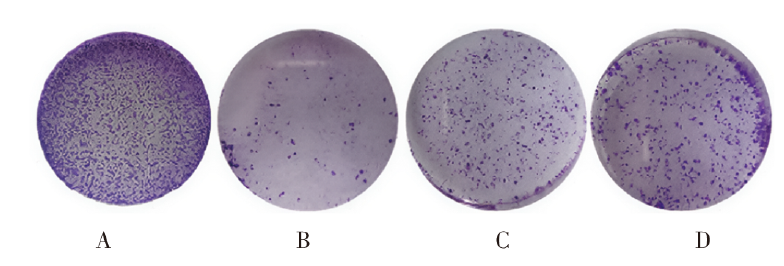
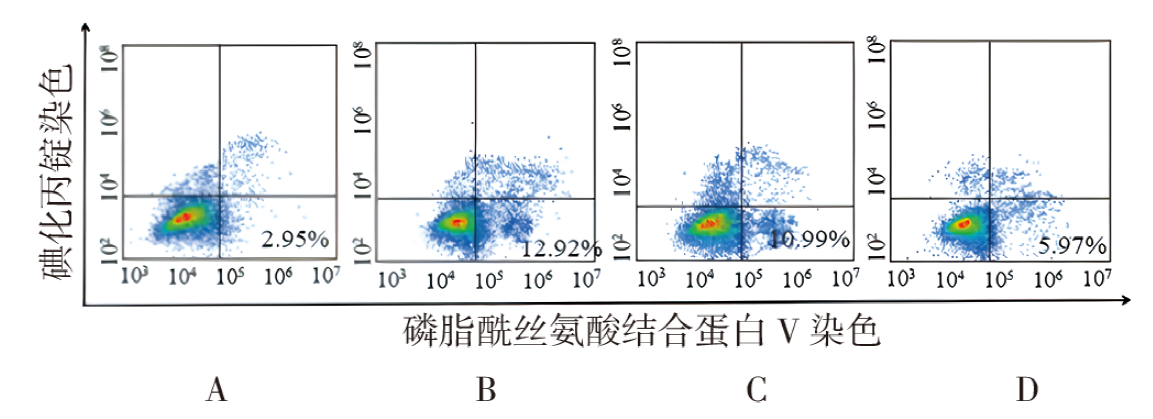
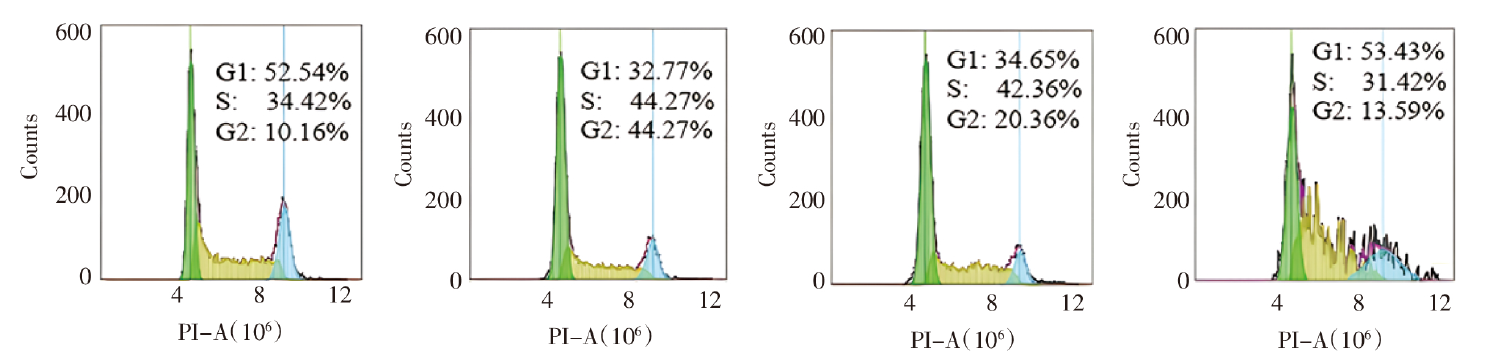
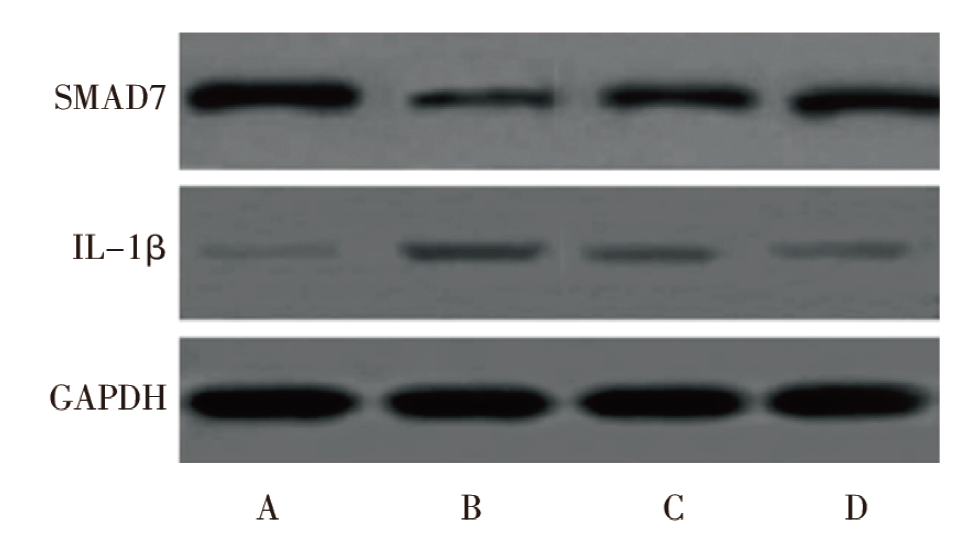
目的 基于微小RNA-655(microRNA-655,miR-655)/靶基因SMAD同源物7(mothers against decapentaplegic homolog 7,SMAD7)/白细胞介素-1β(interleukin-1β,IL-1β)信号通路探讨山茱萸新苷对镉暴露人骨关节炎软骨细胞增殖凋亡的影响。方法 2024年1—10月于秦皇岛市第一医院分子生物实验室开展细胞实验,将人骨关节炎软骨细胞分为对照组、镉暴露组(10 μmol/L)、山茱萸新苷(10 μmol/L)组、山茱萸新苷(50 μmol/L)组,各组培养72 h。试验结束后,CCK-8测定细胞增殖,结晶紫染色测定细胞单克隆形成情况,流式细胞仪测定细胞凋亡及周期水平,实时荧光逆转录法及蛋白印迹法测定细胞miR-655、SMAD7、IL-1β水平,ELISA法测定细胞肿瘤坏死因子-α(tumor necrosis factor-α,TNF-α)、白细胞介素-12(interleukin-12,IL-12)水平。结果 与对照组比较,镉暴露组的人骨关节炎软骨细胞(human osteoarthritis chondrocytes,hOACs)增殖水平[存活率:(34.56±1.41)% vs (92.74±3.32)%]、细胞单克隆形成数目(152.32±10.55 vs 605.65±48.65)及SMAD7 mRNA(0.97±0.03 vs 4.26±0.19)和蛋白表达(0.27±0.03 vs 1.29±0.12)显著降低(均P<0.05);凋亡率[(2.95± 0.12)% vs (12.92±0.85)%]、G2/M期比例[(44.27±4.45)% vs (10.16±1.37)%]、miR-655 mRNA(5.24±0.23 vs 0.99±0.04)、IL-1β mRNA(4.32±0.53 vs 0.63±0.07)及蛋白(1.10±0.12 vs 0.21±0.03)、TNF-α(459.22±46.32 vs 67.52±5.66)和IL-12蛋白表达(632.25±45.57 vs 89.44±4.26)显著升高(均P<0.05)。山茱萸新苷(50 μmol/L)组hOACs细胞增殖水平[存活率:(79.35±1.94)% vs (34.56±1.41)%]、单克隆形成数目(498.54±31.22 vs 152.32±10.55)及SMAD7 mRNA(3.79±0.17 vs 0.97±0.03)和蛋白表达(0.99±0.09 vs 0.27±0.03)显著高于镉暴露组(均P<0.05);凋亡率[(10.99±0.65)% vs (2.95±0.12)%]、G2/M期比例[(13.59±2.64)% vs (44.27±4.45)%]、miR-655 mRNA(1.23±0.07 vs 5.24±0.23)、IL-1β mRNA(0.85±0.10 vs 4.32±0.53)及蛋白(0.39±0.04 vs 1.10±0.12)、TNF-α(105.25±10.22 vs 459.22±46.32)和IL-12蛋白表达(159.67±23.65 vs 632.25±45.57)显著低于镉暴露组(均P<0.05)。山茱萸新苷(50 μmol/L)组细胞增殖水平[(79.35±1.94)% vs (64.25±1.80)%]、单克隆形成数目(498.54±31.22 vs 254.12±20.12)及SMAD7 mRNA(3.79±0.17 vs 1.21±0.04)和蛋白表达(0.99±0.09 vs 0.65±0.07)显著高于10 μmol/L组(均P<0.05);凋亡率[(10.99±0.65)% vs (5.97±0.24)%]、G2/M期比例[(13.59±2.64)% vs (20.36±2.27)%]、miR-655 mRNA(1.23±0.07 vs 3.32±0.14)、IL-1β mRNA(0.85±0.10 vs 2.74±0.20)及蛋白(0.39±0.04 vs 0.62±0.06)、TNF-α(105.25±10.22 vs 254.21±35.21)和IL-12蛋白表达(159.67±23.65 vs 322.02±29.54)显著低于10 μmol/L组(均P<0.05)。结论 山茱萸新苷能促进镉暴露人骨关节炎软骨细胞增殖,抑制其凋亡,对镉暴露引起的人骨关节炎软骨细胞损伤起到了显著的保护作用;其机制与山茱萸新苷抑制镉暴露人骨关节炎软骨细胞miR-655/SMAD7/IL-1β信号通路的激活有关。

关键词: 微小RNA-655, 靶基因SMAD同源物7, 白细胞介素-1β, 山茱萸新苷, 镉, 骨关节炎, 软骨细胞

Abstract:

Objective To explore the effect of cornus officinalis glycosides on proliferation and apoptosis of chondrocytes in human osteoarthritis exposed to cadmium based on microRNA-655(miR-655)/Mothers against decapentaplegic homolog 7(SMAD7)/Interleukin-1β(IL-1β) signaling pathway. Methods The cell experiments were conducted in the molecular biology laboratory of Qinhuangdao First Hospital from January to October 2024. The human osteoarthritis chondrocytes were divided into control group,cadmium exposure group(10 μmol/L),cornus officinalis glycosides(10 μmol/L) group,and cornus officinalis glycosides(50 μmol/L) group,and all groups were cultured for 72 hours. After the experiment,CCK-8 was used to measure cell proliferation,crystal violet staining was used to measure cell monoclonal formation,flow cytometry was used to measure cell apoptosis and cycle levels,and real-time fluorescence reverse transcription and Western blotting were used to measure cell miR-655,SMAD7,IL-1β levels,and cellular tumor necrosis factor-α(TNF-α) and interleukin-12(IL-12) levels were measured by ELISA method. Results Compared with the control group,the cell proliferation level of human osteoarthritis chondrocytes(hOACs) in the cadmium exposure group [survival rate:[(34.56±1.41)% vs 92.74±3.32)%],the number of cell monoclones formed(152.32±10.55 vs 605.65±48.65),SMAD7 mRNA(0.97±0.03 vs 4.26±0.19) and protein expression(0.27±0.03 vs 1.29±0.12) were significantly reduced(all P<0.05),while apoptosis rate[(2.95±0.12)% vs (12.92±0.85)%],G2/M phase ratio[(44.27±4.45)% vs (10.16±1.37)%],miR-655 mRNA(5.24±0.23 vs 0.99±0.04),IL-1β mRNA(4.32±0.53 vs 0.63±0.07) and protein(1.10±0.12 vs 0.21±0.03),TNF-α(459.22±46.32 vs 67.52±5.66) and IL-12 protein expression(632.25±45.57 vs 89.44±4.26) were significantly increased(all P<0.05). In the cornus officinalis glycosides(50 μmol/L)groups,the hOACs cell proliferation level[survival rate:(79.35±1.94)% vs (34.56±1.41)%],the number of cell monoclonal formation(498.54±31.22 vs 152.32±10.55) and SMAD7 mRNA(3.79±0.17 vs 0.97±0.03) and protein expression(0.99±0.09 vs 0.27±0.03) were significantly higher than those in the cadmium exposure group(all P<0.05). The apoptosis rate[(10.99±0.65)% vs (2.95±0.12)%],G2/M phase ratio[(13.59±2.64)% vs (44.27±4.45)%],miR-655 mRNA(1.23±0.07 vs 5.24±0.23),IL-1β mRNA(0.85±0.10 vs 4.32±0.53) and protein(0.39±0.04 vs 1.10±0.12),TNF-α(105.25±10.22 vs 459.22±46.32) and IL-12 protein expression(159.67±23.65 vs 632.25±45.57) were significantly lower than those in the cadmium exposure group(all P<0.05). The proliferation level[(79.35%±1.94)% vs(64.25±1.80)%],the number of cell monoclonal formation(498.54±31.22 vs 254.12±20.12),SMAD7 mRNA(3.79±0.17 vs 1.21±0.04) and protein expression(0.99±0.09 vs 0.65±0.07) in cornus officinalis glycosides(50 μmol/L) group were significantly higher than those in the 10 μmol/L group(all P<0.05). The apoptosis rate[(10.99±0.65)% vs (5.97±0.24)%],G2/M phase ratio[(13.59±2.64)% vs (20.36±2.27)%],miR-655 mRNA(1.23±0.07 vs 3.32±0.14),IL-1β mRNA(0.85±0.10 vs 2.74±0.20) and protein(0.39±0.04 vs 0.62±0.06),TNF-α(105.25±10.22 vs 254.21±35.21) and IL-12 protein expression(159.67±23.65 vs 322.02±29.54) in cornus officinalis glycosides(50 μmol/L) group were significantly lower than those in the 10 μmol/L group(all P<0.05). Conclusion The cornus officinalis glycosides can promote the proliferation of cadmium-exposed human osteoarthritis chondrocytes,inhibit their apoptosis,and play a significant protective role in the damage of human osteoarthritis chondrocytes caused by cadmium exposure,it is related to the activation of the miR-655/SMAD7/IL-1β signaling pathway in inflammatory chondrocytes.

Key words: MicroRNA-655, Mothers against decapentaplegic homolog 7, Interleukin-1β, Cornus officinalis glycosides, Cadmium, Osteoarthritis, Chondrocytes

中图分类号: